
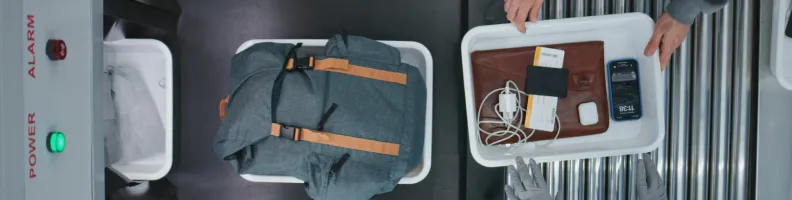
Why Carry-On Only Is Worth It
The math is simple. Checking a bag at a major airport costs between $30 and $70 each way on most domestic flights. You wait in line to drop it at the counter. You wait again at baggage claim on arrival, an average of 20 to 30 minutes. And approximately one in every 150 checked bags is lost, delayed, or damaged. Over the course of a year of regular travel, these costs and delays accumulate into something significant.
Carry-on-only travelers walk straight to security, walk straight off the plane, and walk straight out of the terminal. For a weekend trip or even a week-long journey, this is entirely achievable with the right approach. The key is not minimalism for its own sake, it's intentionality about what you actually need versus what you habitually pack.
"The best carry-on pack is not the lightest pack, it's the pack that contains everything you need and nothing you don't. The difference between those two things is usually about 40% of what most people pack."
Choosing Your Bag
Before you think about what to pack, choose the right vessel. Carry-on size limits vary meaningfully by airline and route:
- Major US carriers (American, Delta, United): 22 x 14 x 9 inches is the standard overhead bin limit.
- Budget carriers (Spirit, Frontier, Ryanair): Often stricter, with smaller limits and fees for anything beyond a personal item.
- International business class: Typically more generous, but always check before assuming.
A 40L bag fits within most major carrier limits and is sufficient for a week of travel with efficient packing. A spinner suitcase maximizes interior volume; a backpack-style carry-on fits more easily in crowded overhead bins and keeps your hands free. Both are valid, choose based on how you move through airports.
The Packing Method That Works
The rolling method versus the folding method debate has a clear winner for most items: rolling. Rolled clothes compress more consistently, are easier to retrieve individually without disturbing the rest of the bag, and tend to wrinkle less than folded items stacked on top of each other. The exception is structured items like blazers and dress shirts, which fold flat better than they roll.
Packing cubes transform carry-on packing. They compress clothes, create order within the bag, and make finding items without unpacking everything possible. A useful system: one cube for tops, one for bottoms, one for underwear and socks. The cubes stack efficiently and make hotel unpacking optional, you can simply place the cubes in a drawer.
Liquids and Security
The TSA 3-1-1 rule (containers of 3.4 oz or less, in 1 quart-sized clear bag, 1 bag per person) is the constraint that derails most carry-on-only attempts. The solution is not to eliminate all liquids, it's to eliminate the large ones:
- Use solid toiletries: shampoo bars, solid conditioner, soap bars, and solid deodorant eliminate your biggest liquid volume in one move.
- Buy toiletries at your destination for trips longer than a week. Most hotels provide basics; pharmacies everywhere stock the rest.
- Invest in travel-size containers and refill them rather than buying travel-size products at inflated prices.
- Keep your liquids bag at the top of your bag for easy access at security.
Clothing Strategies
The number of outfits you can pack is a function of how well your clothes mix and match, not how many individual items you bring. A carry-on wardrobe built around a single color palette (navy, grey, and white, for example) means every top works with every bottom. Add one statement piece if you want variety.
Merino wool is the carry-on traveler's fabric of choice. It regulates temperature, resists odor better than synthetics or cotton, dries quickly, and looks presentable enough for most occasions. A merino t-shirt worn two days in a row is not the compromise it sounds like.
The Personal Item Advantage
Every airline allows a personal item in addition to the carry-on, use it strategically. The personal item (typically a small backpack or tote, 18 x 14 x 8 inches) should carry everything you need during the flight: laptop, headphones, chargers, snacks, a book, and anything you might need to access during a layover. This keeps your overhead bag sealed and eliminates the awkward rummaging that blocks the aisle during boarding.
Never put anything irreplaceable or essential, medication, passport, laptop, valuables, in the overhead bin. Keep it in your personal item under the seat in front of you, where it's accessible at all times.
Dealing with Gate Checks
On full flights and regional aircraft with small overhead bins, gate agents sometimes request passengers to check their carry-on at the gate. This is free, but it adds time at arrival. Reduce the risk by boarding as early as possible (priority boarding status or a credit card that offers it is worth using here) and by choosing a bag that fits under the seat in a pinch on smaller planes.